PILOT Buildings And Dangerous In Mount Vernon
Originally Published on January 5, 2026
No Screening, No Answers: Crime and the PILOT Buildings Of Mount Vernon
In Mount Vernon, the promise of PILOT developments was simple and reassuring. Payment In Lieu of Taxes agreements would encourage private developers to build new housing, stabilize neighborhoods, and attract responsible tenants.
What residents say they are living with, now tell a different story.PILOT buildings across Mount Vernon have become the subject of growing concern among neighbors, tenants, and local business owners. The concern is not about affordable housing itself, nor about helping those in need. It is about crime, a lack of screening, and the quiet relocation of individuals with documented criminal histories into Mount Vernon PILOT buildings, with little to no oversight, and almost no public disclosure.
Police activity around several PILOT buildings have increased noticeably. Residents report frequent police responses for assaults, narcotics activity, domestic disputes, and weapons related calls. In many cases, arrests involve individuals who are not longtime Mount Vernon residents, people whose prior addresses trace back to other parts of Westchester, the Bronx, Brooklyn, Queens, Atlantic City, and upstate New York.
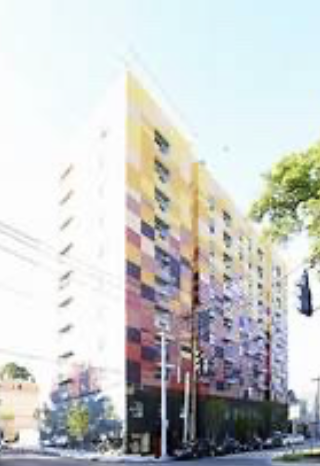
The Modern Residents report that the multi colored "Modern" building on Macquesten Parkway, a PILOT building, contains multiple floors occupied by individuals with significant mental health challenges, who were recently released from institutional care. Neighbors and tenants say the lack of visible supervision or support services has contributed to ongoing disorder and deaths within and around the building. One death being a mentally challenged tenant who committed suicide by jumping out the window of his apartment.
22 South West Street Tenants at the PILOT building at 22 South West Street, along with occupants of the Modern, are repeatedly cited in police activity reports connected to rising crime in the area. Nearby businesses, including the 7-Eleven adjacent to the Mount Vernon West train station, have experienced burglaries, harassment of employees and customers, and frequent disturbances.
The Laporte Elderly residents at The Laporte, a PILOT building located at 122 North 3rd Avenue, report that crime inside and around their building has made them fearful of leaving their apartments, particularly during evening hours. Longtime residents also note that Hartley Park and Gramatan Avenue have seen a significant increase in criminal activity since the opening of the Laporte. Homeless people are sleeping in hallways at the Laporte.
The Randy Daniels Towers Building 20 East 3RD StreetResidents in and around, 20 East 3rd Street, a PILOT building, have reported repeated incidents involving criminal behavior, further contributing to concerns that PILOT developments are overwhelming surrounding neighborhoods without adequate screening, oversight, or public safety planning. Gangs of kids run through the hallways, banging on doors, and harassing the elderly.
According to residents, many PILOT residents involved with crime, had open cases, prior violent offenses, or outstanding warrants in other jurisdictions at the time they took up residence in PILOT buildings. Yet they were housed in Mount Vernon anyway.
What troubles residents most is not just the presence of crime, but the absence of screening.Unlike public housing or Section 8 programs, which typically involve background checks, eligibility standards, and oversight by housing authorities, PILOT buildings fall into a regulatory blind spot. They are privately owned but publicly subsidized. The city provides massive tax relief, yet exercises little authority over who is placed inside.
- Are criminal background checks conducted?
- Are tenants vetted for violent offenses?
- Are social service placements coordinated with law enforcement?
- Who authorizes the placement of individuals coming from outside the city?
The answers, when they come at all, are vague.Many PILOT residents were transferred from other counties or boroughs due to “lack of housing options elsewhere.” Whether through emergency placements, nonprofit intermediaries, or private arrangements between developers and agencies, Mount Vernon appears to have become a receiving point for high risk individuals from across the tri state area.
The impact is immediate and localized.Families living in adjacent buildings describe children no longer allowed to play outside. Seniors report fear entering elevators. Homeowners surrounding these developments describe the change as abrupt and destabilizing. Blocks that were once quiet now experience overnight loitering, drug sales, and property damage. Calls to police increase. Insurance rates rise. Property values suffer.
What makes the situation especially bitter is the financial reality: Mount Vernon taxpayers subsidize these buildings by giving up millions in tax revenue. Yet when crime occurs, when residents are endangered, and when neighborhoods deteriorate, the city claims limited responsibility.
This is not a story about demonizing people who need housing. It is a story about policy failure, about a city accepting financial arrangements without safeguards, about placing vulnerable communities next to unchecked risk, and about decisions made behind closed doors that reshape neighborhoods without consent.
In Mount Vernon, the issue is no longer whether crime is occurring in and around PILOT buildings, Police logs, court records, and resident testimony confirm that it is.The real question is why a city struggling with its own crime, finances, and public trust would allow unscreened individuals with known criminal histories to be relocated into residential developments, without transparency, without planning, and without regard for the people already living there.
For many residents, the fear is not just about who has arrived, but about who might be sent next, and how long the city will continue pretending it does not know.More PILOTS Are Currently Being Erected In Mount Vernon We Demand To know What is the Plan To Protect Us?